
A guided meditation to inquire what it is that you need most in an important relationship to you. Implicit in the questioning is that if you can’t find your own needs who will. Continue to ask throughout the day “What is it I really need?
-
Containment of Resistant Emotions Guided Meditation

This GM was filmed live with therapists training in the work of Humanistic Spirituality, which helps everyone learn to have a coexistent awareness of our most human and also our higher selves interacting with each other.
-
Awareness and Containment of Aggression Guided Meditation
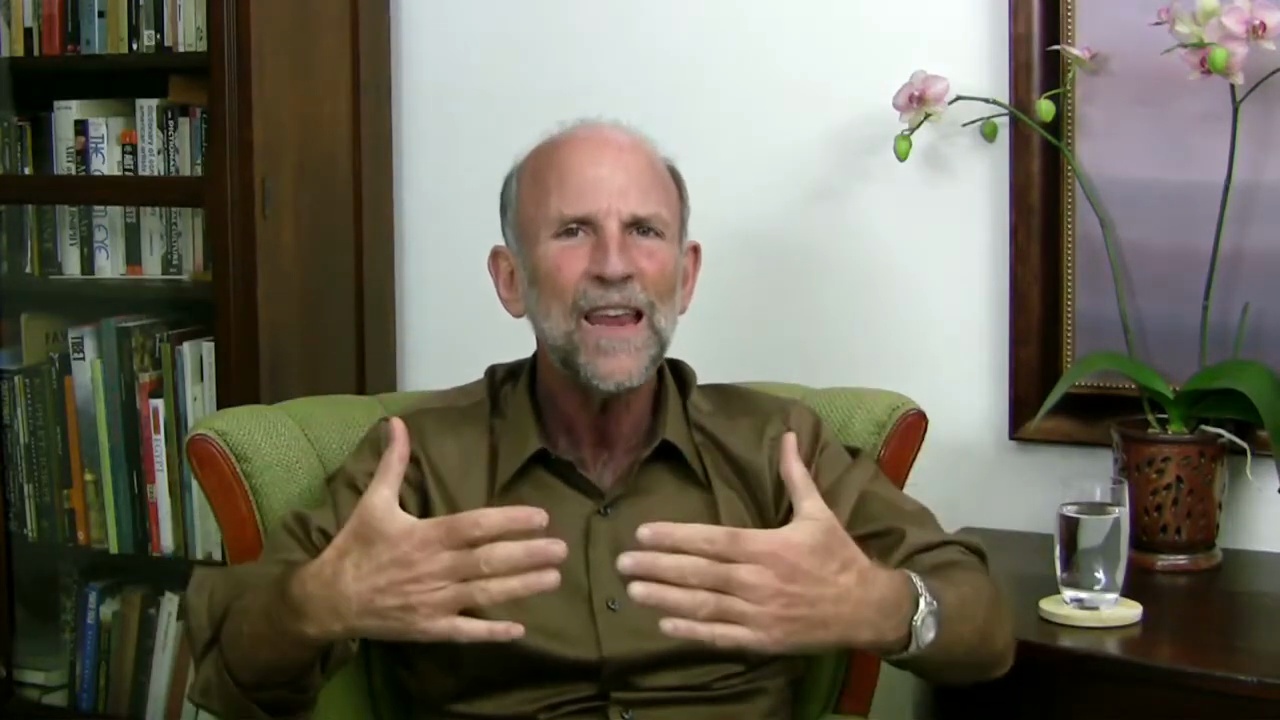
A focus on the critical importance of both awareness of our aggression and how to contain and channel it in a healthy way.
What are the best practices to help me contain my aggression in a healthy way?
Remember the benefits of screaming in a harmless environment, sharing with mature friends, visualization, psychodrama…
-
Meditation: Turning Toward What’s Beneath Aggression
When we feel angry, it often feels urgent—like something must be done, said, or defended right away. But in truth, anger is often a messenger, not a mandate. Beneath the fire is something softer: fear, sadness, helplessness, shame, longing.
The challenge? These underlying emotions are hard to tolerate—so most of us rarely feel them as often as they arise.
This meditation is a structured way to help you pause, slow down, and discover what lies beneath the surface of your aggression. Whether you’re dealing with a recent outburst or preparing for the next trigger, this practice helps build the emotional muscle of presence.
Instructions:
Opening to What Is Underneath Aggression
1. Choose a Quiet Place
Sit in a quiet, comfortable setting where you won’t be disturbed. Allow yourself to feel your body and breath as you settle in.
2. Recall a Recent Moment of Anger
Bring to mind a specific time you felt angry or reactive. See if you can remember not just the event, but the emotional climate surrounding it. What was said? What were you feeling? What was at stake?
3. Gently Ask: “What Did I Feel Just Before the Anger?”
Close your eyes and ask this question inwardly. Take your time. Be patient. You’re not forcing an answer—you’re inviting it.
Was it fear of rejection?
Was it sadness about being unseen?
Was it helplessness, shame, or fatigue?
Was it a mood you were in before the interaction, and if so what was the mood?
Even if you can’t identify a clear emotion, simply looking sincerely begins the shift.
4. Let the Emotion Surface—Then Stay With It
If you can find the vulnerable feeling beneath the anger, stay with it. Name it silently: “This is sorrow.” Or, “This is fear.”
Feel it in your body. Breathe into it. Resist the urge to explain or fix it.
5. Offer Inner Support
Use a gentle statement to comfort yourself:
- “It’s okay to feel this.”
- “This is hard, and I’m staying with it.”
- “Even though I’m angry, I care about what’s underneath.”
This internal tone of compassion is at least as important as any insight.
6. If You Can’t Find the Feeling—Appreciate the Search
If the emotion doesn’t reveal itself, that’s okay. Appreciate the sincerity of your inquiry. Just looking is a major act of inner growth.
7. Set an Intention to Return to This Practice
Whether you found a deep emotion or simply quieted the storm, end by setting a gentle commitment:
“Next time I feel aggression, I will try to pause and look underneath.”
Why This Matters
Many people believe meditation is only about stillness or relaxation. But this kind of meditation is active: it’s about developing emotional awareness. Over time, it rewires your responses and helps you shift from reaction to reflection to a sensitive response.
You won’t always catch yourself in time. And you may feel the same emotions again and again. But the more you repeat this practice, the more familiar you become with your inner world—and the easier it becomes to live from your heart.
Reflect: After this meditation, how do you feel now compared to when you began?
-
Guided Meditation That Provides Tools to Deal With Challenging Emotions

Robert continues with the second installment of the Guided Meditation series where he emphasizes the importance of becoming aware of difficult emotions. This episode takes this awareness and clarifies how to integrate it with our heart and self-caring. Robert and Dave invite listeners to focus on practice. This immersive next step puts us in a position to start moving toward well-being and not getting sidetracked by suppressing, judging, misunderstanding, or misrepresenting our challenging feelings.
Resources related to this episode
-
Hand on Heart Guided Meditation for Anger

Will I take the time today to create a safe space to be more aware of and harmlessly feel my resistance and anger, and infuse it with kindness?